
The Valley by Emaar: Meet Dubai’s True Suburban Heart
Oct 23, 2026


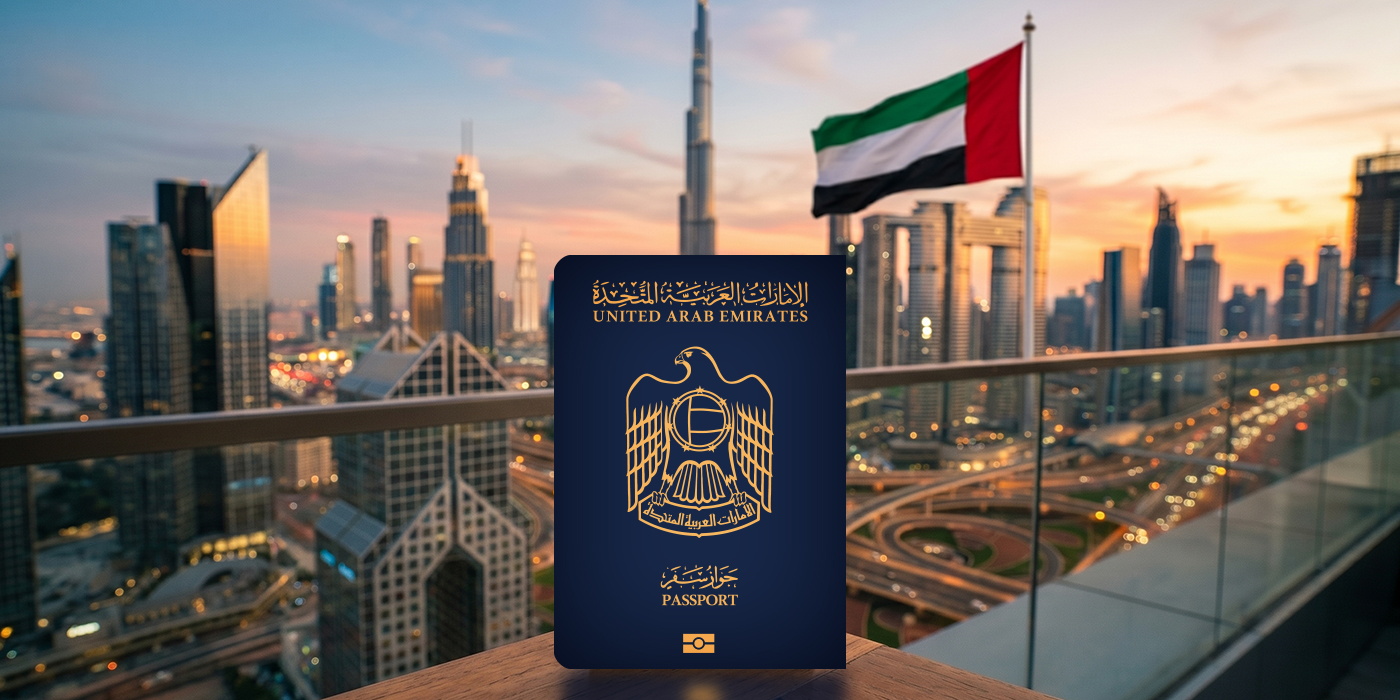
The UAE passport has once again secured its position as the world’s most powerful passport, continuing a remarkable global achievement that the nation has maintained since 2018. According to the latest Passport Index by Arton Capital, the UAE passport achieved a record-breaking score of 182, highlighting the country’s growing global influence, diplomatic strength, and international mobility.
Emirati citizens now enjoy visa-free access to 127 destinations worldwide, along with visa-on-arrival access to 45 countries and electronic travel authorisation access to 10 destinations. With a world reach of 91%, the UAE passport now requires a visa for only 16 destinations globally, reinforcing its standing as one of the most valuable travel documents in the world.
The achievement reflects the UAE’s consistent efforts to strengthen international relations and global connectivity over the past decade. A major turning point came in 2017 with the launch of the UAE Passport Force Initiative by the Ministry of Foreign Affairs, which aimed to position the UAE passport among the world’s top-ranked passports. Since then, the UAE has witnessed a remarkable rise from 88th position globally to securing the number one spot within just a few years.
One of the most significant milestones contributing to this rise was the 2015 agreement that granted Emirati citizens visa-free access to Schengen countries, making the UAE the first Arab nation whose citizens could travel freely across 34 European countries without requiring a visa.
Despite increasing geopolitical tensions and tightening immigration policies across many regions, the UAE continues to strengthen its position on the global stage. Armand Arton, CEO of Arton Capital and co-founder of the Passport Index, described 2026 as a landmark year for the UAE, emphasizing that the country remains “unshakeable in its relevance on the global stage.”
While the UAE maintained its leading position, Singapore retained second place globally with a score of 175, while Malaysia remained among the top-ranked Asian passports. European countries continued to dominate the top 20 rankings, with Spain, Belgium, Luxembourg, France, and Denmark maintaining strong positions.
At the same time, the Passport Index’s World Openness Score recorded a decline in 2026, reaching its lowest level since 2023. The report attributes this trend to tighter visa restrictions, evolving border control systems, and increasing nationality-specific travel requirements across several major economies.
Countries such as Australia, Canada, the United States, and New Zealand also experienced a drop in the Welcoming Countries ranking as immigration regulations became stricter and digital border systems expanded. Meanwhile, several European nations witnessed reduced openness scores following the implementation of ETIAS and additional travel authorization measures.
Looking ahead, experts believe that global mobility will continue to play an increasingly important role in economic opportunity, international business, and quality of life. As travel regulations become more complex worldwide, the strength of a passport is expected to become an even more significant factor in global accessibility and international mobility.
The UAE’s continued rise in passport power not only reflects diplomatic success but also reinforces the country’s growing position as a leading global destination for business, investment, tourism, and long-term residency.
Source: Khaleej Times